
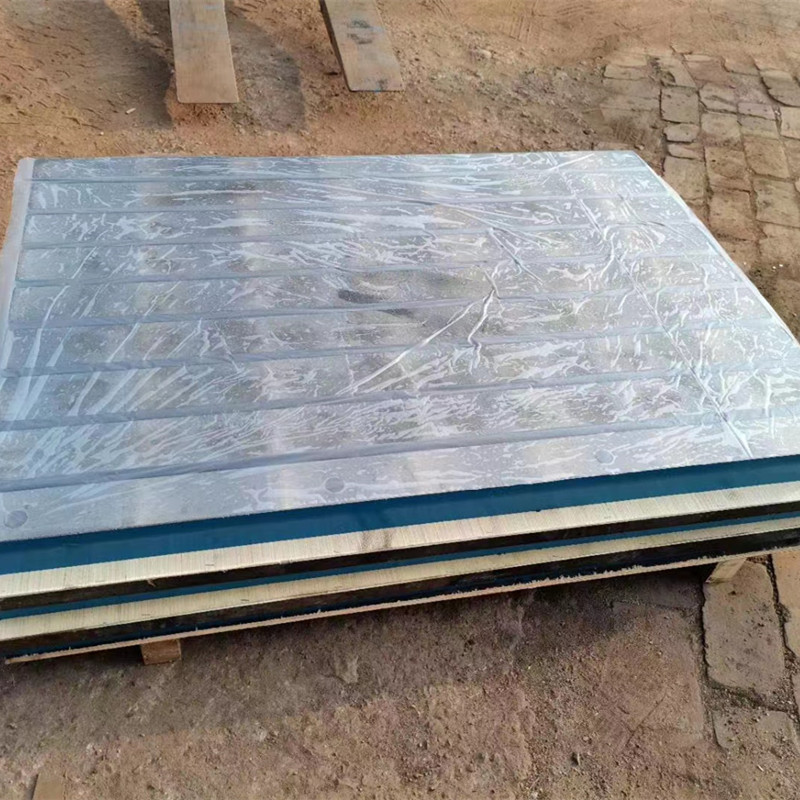
low iron glass price
Understanding the 14G 7 16 Thread A Comprehensive Overview In the world of textiles and materials, threads play a crucial role in the durability and functionality of products. The term 14G 7 16 refers to a specific type of thread that has gained attention in various applications, especially in the fields of textiles, manufacturing, and crafting. This article explores what this designation means, its characteristics, applications, and importance in the industry. What Does 14G 7 16 Mean? The notation 14G 7 16 can be broken down into three distinct components 14G, 207, and 2016. Each part of this designation has a specific meaning, often related to the thread’s gauge, strength, and material composition. 1. 14G (Gauge) The term G typically refers to the gauge of the thread. A gauge of 14 indicates a specific thickness or diameter. In textile terminology, lower numbers often signify thicker threads, while higher numbers indicate thinner ones. A 14-gauge thread is relatively moderate in thickness, striking a balance between durability and ease of use. 2. 207 (Denier or Tex) The number 207 usually relates to the thread's denier or tex, which measures the thread's fineness. Denier refers to the weight in grams of 9000 meters of the thread, while tex denotes the weight in grams of 1000 meters. A denier of 207 indicates a sturdy thread capable of withstanding considerable stress, making it suitable for various applications where strength is essential. 3. 2016 (Year or Specification) The number 2016 may refer to the year of manufacture or a specific series designation within a product line. If it denotes a year, it suggests that the thread incorporates modern advancements in textile technology, offering better performance characteristics than earlier versions. If it indicates a series, it points to a particular set of standards or specifications that the thread meets. Characteristics of 14G 7 16 Thread 14g 7 16 thread The 14G 7 16 thread boasts several noteworthy characteristics - Durability This thread is designed to endure considerable wear and tear, making it ideal for products such as backpacks, outdoor gear, and heavy-duty sewing applications. - Versatility Thanks to its balanced gauge, this thread suits a wide range of materials, including cotton, polyester, and blends. It can be used in both woven and knitted fabrics. - Ease of Use While durable, the moderate thickness allows for easy handling and sewing. It can be used with various sewing machines and techniques, appealing to manufacturers and crafters alike. Applications of 14G 7 16 Thread The applications for the 14G 7 16 thread are vast and varied - Textiles Clothing manufacturers utilize this thread for stitching seams in garments, particularly in activewear and outdoor clothing where durability is crucial. - Upholstery In furniture manufacture, this thread is used to secure upholstery materials, providing a strong hold that withstands everyday use. - Crafting Projects Crafters often choose this thread for quilting and other sewing projects that require resilience, ensuring that the finished products can endure without falling apart. Conclusion In summary, the 14G 7 16 thread is a significant player in the world of textiles and manufacturing. Its unique combination of gauge, denier, and possibly year or specification positions it as a reliable choice for various applications. Whether in the production of robust outdoor gear or creative crafting projects, understanding the role and characteristics of this thread can lead to better product quality and enhanced durability. As industries continue to evolve, threads like 14G 7 16 will undoubtedly play a crucial role in meeting the demands of modern consumers and manufacturers alike.
about
low iron glass price
Types of Plug Gauges Plug gauges are essential tools in the field of precision engineering and manufacturing. They are primarily used to check the internal dimensions of holes, ensuring that they meet specified tolerances. Plug gauges provide a straightforward method for quality control in production processes. There are various types of plug gauges, each designed for specific applications and standards. 1. Go and No-Go Gauges The most common classification of plug gauges is based on the go and no-go principle. A go gauge is designed to fit into a hole that meets the specified size, while the no-go gauge is slightly larger and should not fit. This binary evaluation helps operators quickly determine whether a part is within tolerance. 2. Tapered Plug Gauges Tapered plug gauges feature a conical shape that allows them to gauge holes of varying sizes. They are particularly useful for situations where the dimensions might slightly vary due to manufacturing processes or material characteristics. The taper allows for better access in tight spaces while ensuring a precise measurement. 3 . Step Gauges types of plug gauge Step gauges consist of multiple steps or increments of diameter along a single shaft. These are useful when checking for a range of sizes within a single tool. Step plug gauges are particularly advantageous in complex assemblies where several dimensions must be verified quickly. 4. Interchangeable Plug Gauges Interchangeable plug gauges feature a modular design, allowing different gauge elements to be swapped in and out depending on the measurement requirements. This versatility makes them ideal for environments that require frequent changes in specifications or for facilities with limited storage space for multiple gauges. 5. Digital Plug Gauges With advancements in technology, digital plug gauges have emerged as a modern alternative to traditional gauges. These tools provide instant readings and are often equipped with features such as data logging and interfacing with computers. They offer enhanced accuracy and ease of use, especially in high-tech manufacturing environments. Conclusion Plug gauges are crucial for ensuring quality in manufacturing processes. Depending on specific needs, engineers and quality control professionals can choose from various types of plug gauges, including go/no-go gauges, tapered, step, interchangeable, and digital options. Selecting the right gauge can significantly enhance accuracy, improve productivity, and ensure that parts meet the necessary specifications for functionality and safety.
-

High quality industrial productsagement

High quality industrial products
View Details -

Meet the diverse needs of customers

Meet the diverse needs of customers
View Details -

Strict quality control

Strict quality control
View Details -

Top raw materials

Top raw materials
View Details -

Trusted supplier

Trusted supplier
View Details
Our application
news and information

Valve Automation_ Benefits of Motorized Control Systems
In today’s rapidly evolving industrial landscape, automation has become synonymous with efficiency,
Válvula de retención 8an y su importancia en sistemas hidráulicos.
8an check valve .

vibration damping pads for heavy machinery
Vibration Damping Pads for Heavy Machinery Enhancing Performance and Longevity In the world of heavy
 English